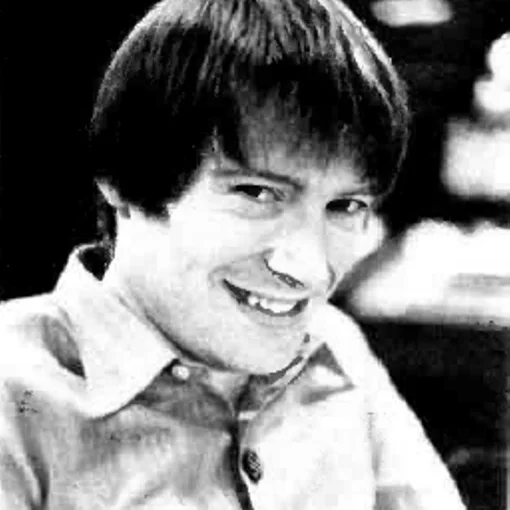
Adrian Barber
Credited on
 AerosmithAerosmith, 1973Engineer, Producer
 BeginningsThe Allman Brothers Band, 1973Engineer, Producer
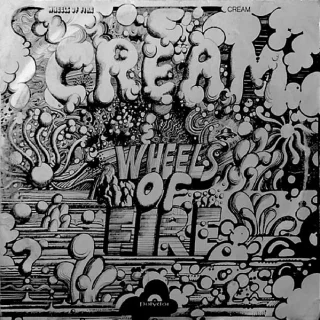 Wheels Of FireCream, 1968Engineer, Recorded By
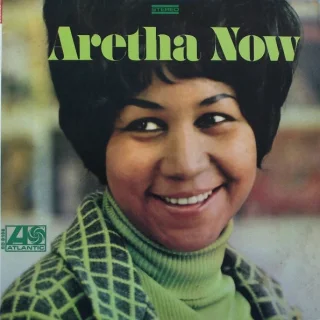 Aretha NowAretha Franklin, 1968Lacquer Cut By
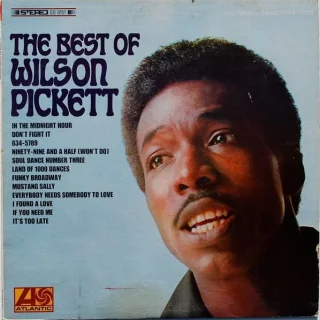 The Best Of Wilson PickettWilson Pickett, 1967Lacquer Cut By
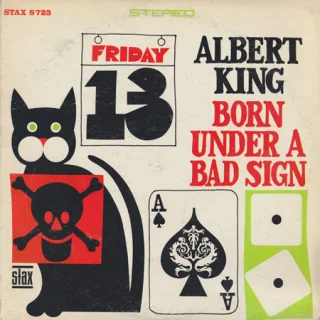 Born Under A Bad SignAlbert King, 1967Lacquer Cut By
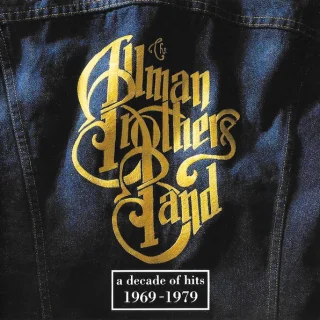 A Decade Of Hits 1969 - 1979The Allman Brothers Band, 1991Producer
 Pandora’s BoxAerosmith, 1991Producer
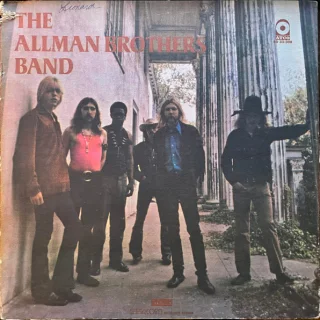 The Allman Brothers BandThe Allman Brothers Band, 1969Producer, Engineer
 Rock & RollVanilla Fudge, 1969Engineer, Producer
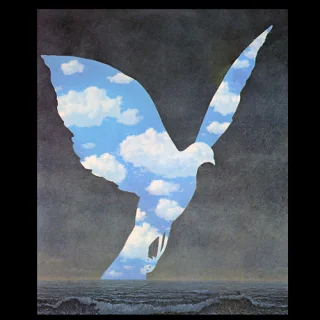 SeeThe Rascals, 1969Engineer
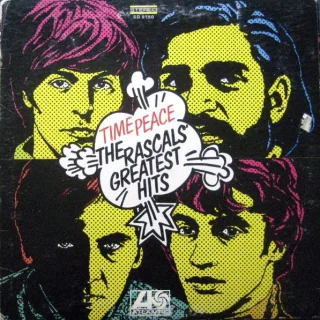 Time Peace (The Rascals’ Greatest Hits)The Rascals, 1968Engineer
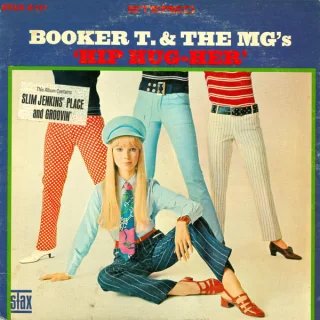 Hip Hug-HerBooker T. & The MG’s, 1967Lacquer Cut By
Played with
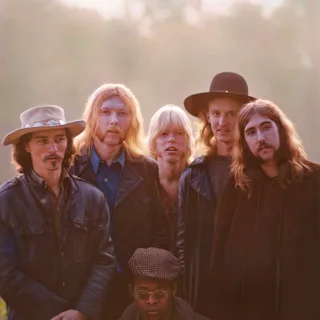 The Allman Brothers Band
3 records together
 Arif Mardin
3 records together
 Tom Dowd
3 records together
 Aerosmith
2 records together
 The Rascals
2 records together
 Jerry Wexler
2 records together
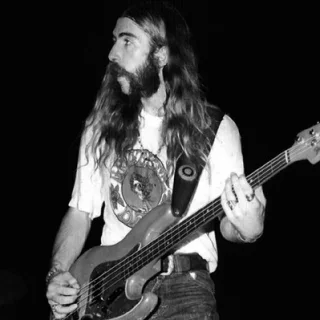 Berry Oakley
2 records together
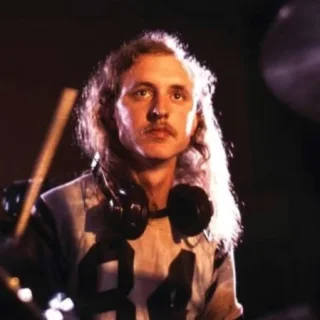 Butch Trucks
2 records together
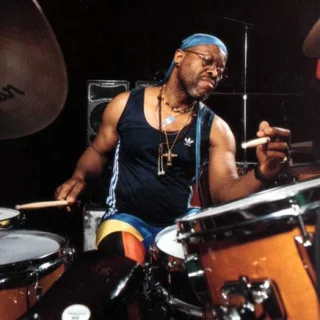 Jai Johanny Johanson
2 records together
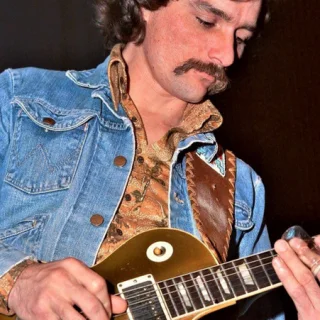 Dickey Betts
2 records together
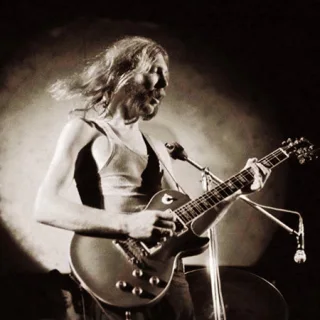 Duane Allman
2 records together
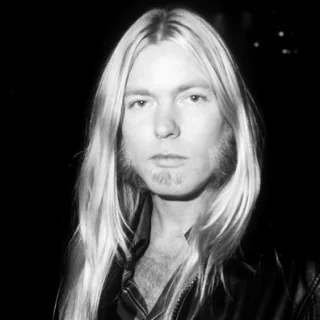 Gregg Allman
2 records together
About
English musician, producer and sound engineer.
Born in Ilkley, Yorkshire, England, UK, 13 November 1938, died 8 August 2020 in Otley, Yorkshire.
At the age of 16 he worked as a sailor for four years. During that time he learned to play the guitar. At twenty Adrian moved to Liverpool, where, initially as a member of ‘Cass and the Casanovas’ (that subsequently became ), he stood out in clubs as a technician, alongside such bands as and , building amplifiers for the Liverpool groups.
Thanks to his talent with equipment, he became ’ sound technician, first in Hamburg and then on ‘ first US tour. In 1964 Adrian went to live in the US, where, after working with , joined as an engineer and producer as well. Adrian was also involved in management as a partner in ABBT Music Company, which he formed with . Whilst a student in Liverpool in the early 1960s, Barber smashed up a sculpture at an exhibition by the then well-known working-class artist Arthur Dooley. It later transpired that the artist himself (Dooley), had coaxed Barber into doing it as a press stunt.
Barber identified his stereo cuttings at Atlantic by adding three dots above and one dot below a “W” in the runouts (see images).
The 3 dots were sometimes triangular (∴) and other times horizontal (···)
The mono cuttings show a single dot (.) under the W
(The “W” indicates that the blank lacquer disc was an Audiodisc made by and is not related to Barber per se).