Eddie Cochran
Edward Raymond Cochran
Albums
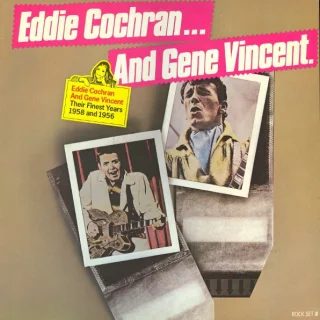 Their Finest Years: 1958 And 1956Eddie Cochran And Gene Vincent, 1981On 1 site
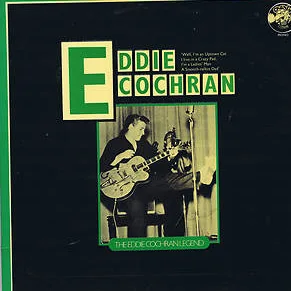 The Eddie Cochran LegendEddie Cochran, 1979On 1 site
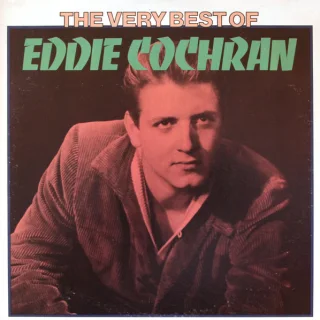 The Very Best Of Eddie CochranEddie Cochran, 1975On 1 site
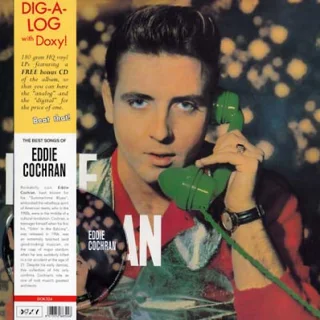 Eddie CochranEddie CochranOn 1 site
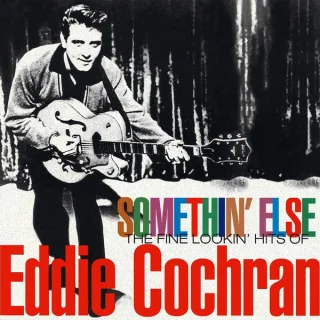 Somethin’ Else: The Fine Lookin’ Hits Of Eddie CochranEddie CochranOn 1 site
Played on
Played with
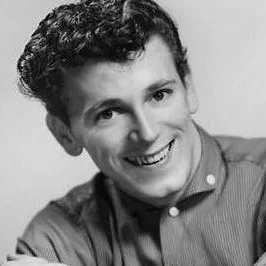 Gene Vincent
3 records together
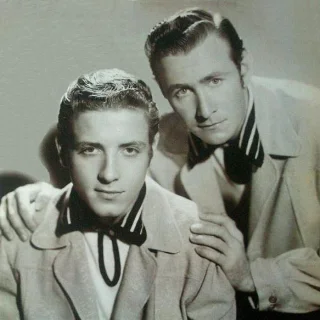 The Cochran Brothers
2 records together
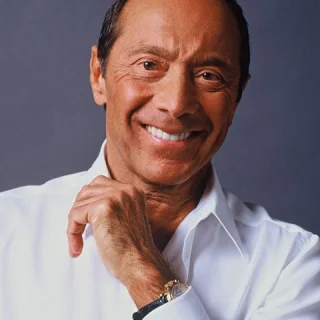 Paul Anka
2 records together
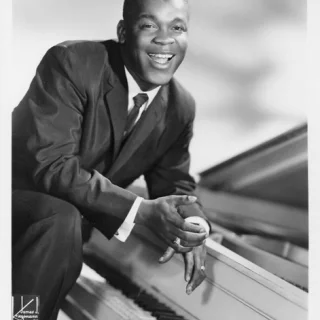 Clarence “Frogman” Henry
2 records together
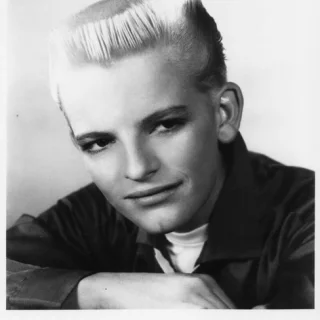 Ronnie Dawson
1 record together
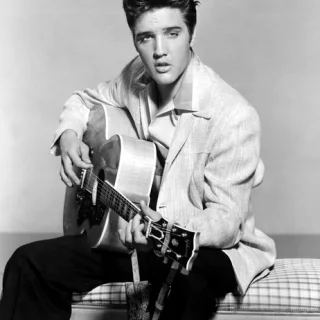 Elvis Presley
1 record together
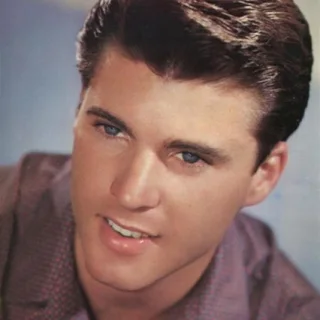 Ricky Nelson
1 record together
 Dwight Pullen
1 record together
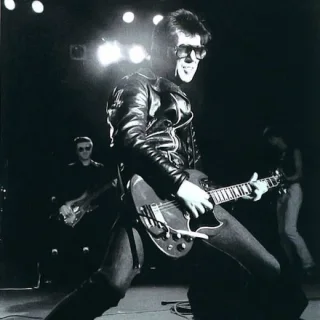 Link Wray
1 record together
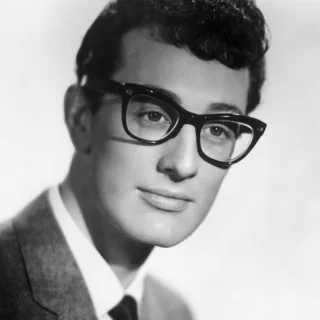 Buddy Holly
1 record together
 Bob Montgomery
1 record together
 Barbara Pittman
1 record together
About
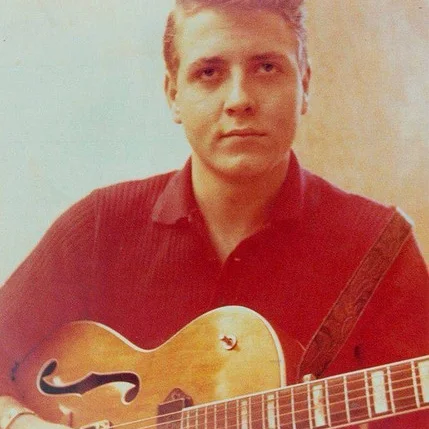
American guitarist and singer, songwriter of the rock’n’roll era.
Born 3 October 1938 in Albert Lea, Minnesota, USA, died 17 April 1960 in Chippenham, Wiltshire, UK.
Influential on later artists such as The Beatles, The Rolling Stones, The Who and many others. Inducted into Rock And Roll Hall of Fame in 1987 (Performer).
Cochran’s parents moved from Oklahoma City to Albert Lea, Minnesota, where he was born. The family moved back to Oklahoma briefly, before finally settling in Bell Gardens, LA, California. Cochran became musician as a teenager, with a circle of friends that included Connie “Guybo” Smith whose nickname would later become one of his song titles. He teamed up with Hank Cochran (unrelated), playing dance halls, fairs and schools. They later called themselves The Cochran Brothers, touring the south-western states and appearing on the California Hayride show. They recorded two hillbilly records with Ekko Records in 1955 and did a promotional tour, meeting Elvis Presley on the Dallas Big D Jamboree show. The duo auditioned for Sun Records in Memphis but split up shortly after making “Fool’s Paradise”, their third recording on Ekko and a song that shows a strong Presley influence, assisted by the co-writing of Jerry Capehart.
In 1956 Cochran teamed up with Capehart and was signed to Liberty in 1957, although he still appeared on the labels of friends Capehart and Sylvester Cross, spending time in LA’s Gold Star studio producing, writing and recording backing vocals on labels such as Crest, Zephyr, Crash, Vik, along with Silver Records, on which he recorded “Guybo”, also known as “Drum City”. He also appeared in two films.
Following up on his increasing American success, Cochran toured the UK in 1960, joining up with Gene Vincent and Ronnie Hawkins to appear on popular TV and radio shows and the concert hall circuit. His girlfriend, songwriter Sharon Shari Sheeley, later joined them. The tour was a resounding success.
On Sunday, April 17, 1960 — the day following the tour — Cochran, Vincent and Sheeley were on their way to the airport to return to the United States in the back seat of a car, also occupied by deputy tour manager Patrick Tompkins in the front seat, and driven by hired taxi-driver George Martin. The vehicle left the road and hit a lamppost. Sheeley suffered a broken pelvis but managed to fully recover. Vincent suffered broken ribs and collarbone and sustained injuries to an already weak leg that left him with a limp for the rest of his life. Cochran died in hospital that day from severe head injuries, aged 21. Eerily, Cochran had just released a single, co-written with brother Bob Cochran, entitled “Three Steps to Heaven.” It reached No. 1 in the charts, helping rock’n’roll come of age in the UK.