

Band
Leiber & Stoller
Credited on
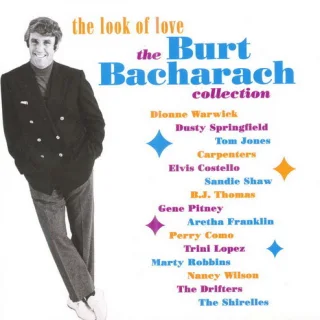 The Look Of Love (The Burt Bacharach Collection)Various, 2001Producer
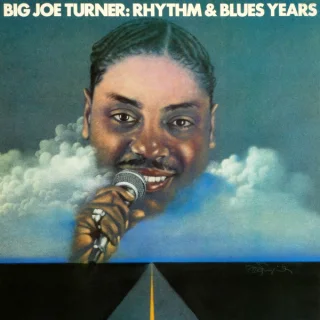 Rhythm & Blues YearsBig Joe Turner, 1986Producer
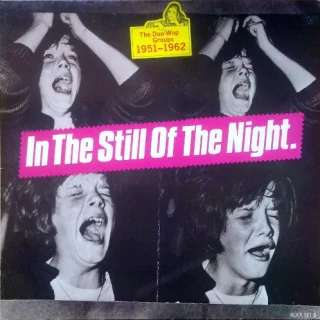 In The Still Of The Night. The Doo-Wop Groups 1951-1962Various, 1981Producer, Written-By
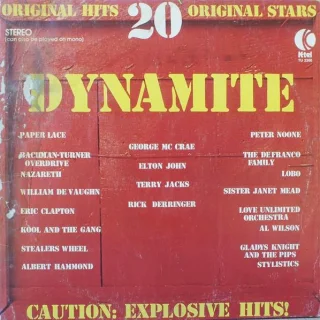 DynamiteVarious, 1974Producer
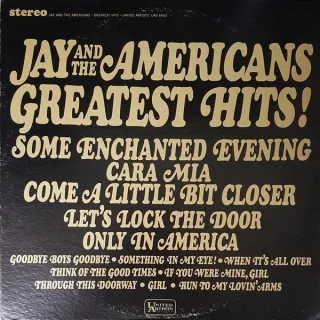 Jay And The Americans Greatest HitsJay And The Americans, 1965Producer
Played with
 Elton John
2 records together
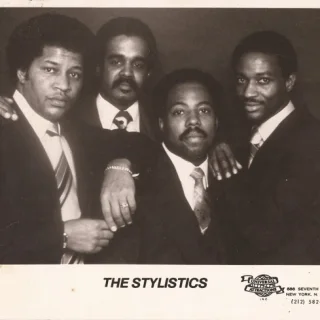 The Stylistics
2 records together
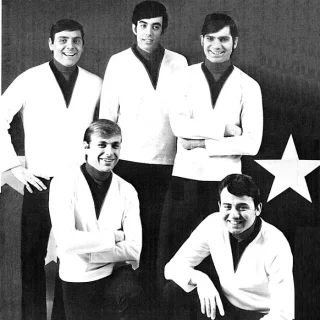 Jay & The Americans
1 record together
 Big Joe Turner
1 record together
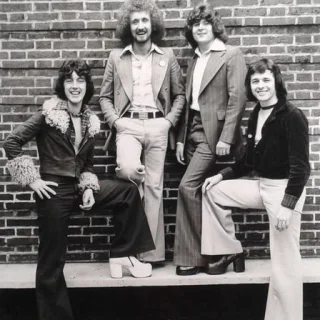 Paper Lace
1 record together
 Bachman-Turner Overdrive
1 record together
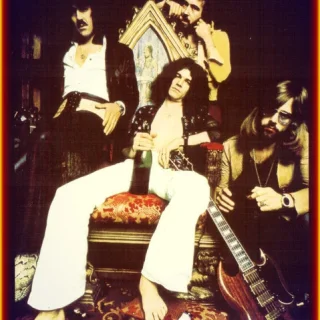 Nazareth
1 record together
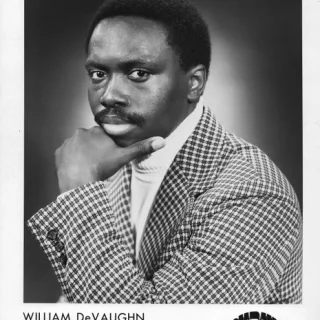 William DeVaughn
1 record together
 Eric Clapton
1 record together
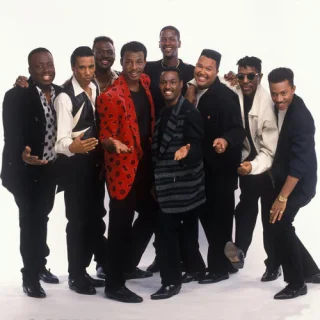 Kool & The Gang
1 record together
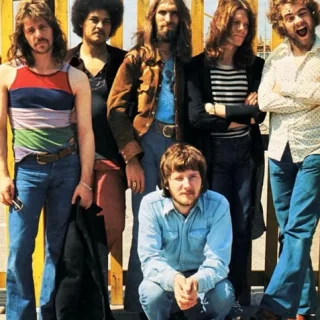 Stealers Wheel
1 record together
 Albert Hammond
1 record together
About
Jerome “Jerry” Leiber (born April 25, 1933 - died August 22, 2011 from cardiopulmonary failure) and Mike Stoller (born March 13, 1933) are among the most influential songwriters and music producers in post-World War II popular music.
They went on to write the successful and iconic hits “Hound Dog”, “Love Me”, “Loving You”, “Don’t”, “Jailhouse Rock”, and others for the “King”, Elvis Presley. They were inducted into the Songwriters Hall of Fame in 1985 and Rock and Roll Hall of Fame in 1987.
Starting with the The Coasters in 1957, they created a string of ground-breaking crossover hits that are some of the most entertaining in rock and roll by using the humorous vernacular of the white teenager sung by a black group in a style that was openly theatrical rather than personal. These are songs that include “Young Blood”, “Searchin’” and “Yakety Yak”. They were the first to surround black music with elaborate production values, enhancing its emotional power with The Drifters in “There Goes My Baby” and influencing Phil Spector who worked with them on recordings of The Drifters and Ben E. King and went on to form his own company and create his famous “Wall of Sound”. Leiber and Stoller went into the record business and, focusing on the “girl group” sound, releasing some of the greatest classics of the Brill Building period.