Band
Ten Years After
Albums
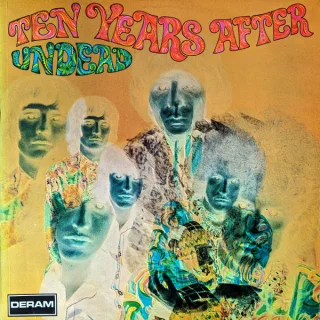 Ten Years After UndeadTen Years After, 1968On 2 sites
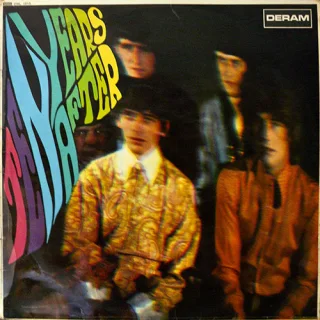 Ten Years AfterTen Years After, 1967On 2 sites
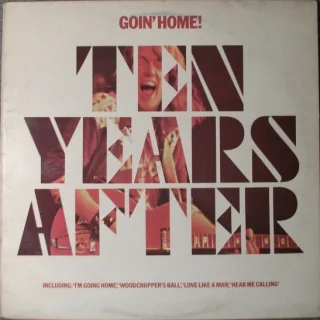 Goin’ Home!Ten Years After, 1975On 1 site
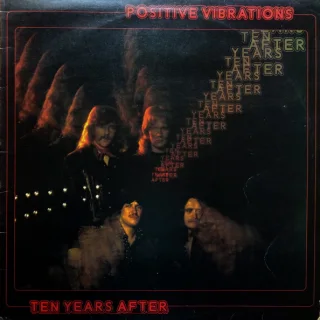 Positive VibrationsTen Years After, 1974On 1 site
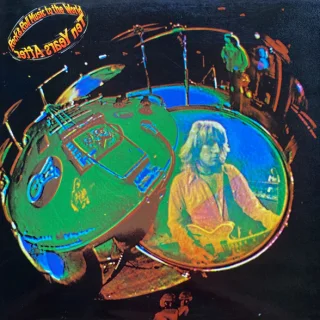 Rock & Roll Music To The WorldTen Years After, 1972On 1 site
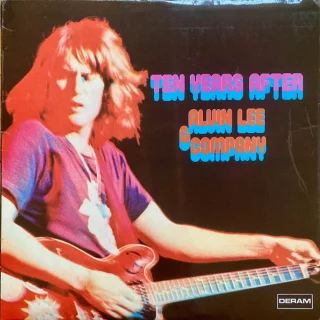 Alvin Lee & CompanyTen Years After, 1972On 1 site
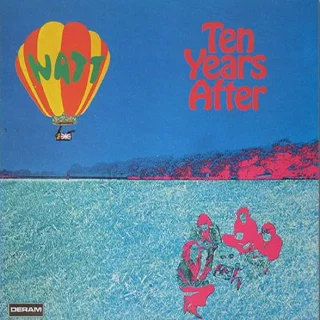 WattTen Years After, 1970On 1 site
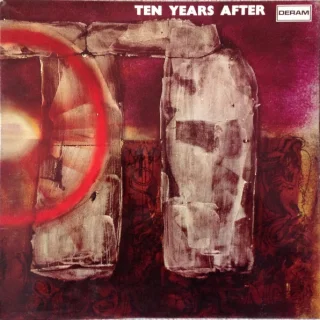 StonedhengeTen Years After, 1969On 1 site
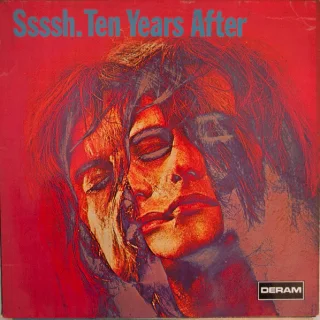 Ssssh.Ten Years After, 1969On 1 site
Played on
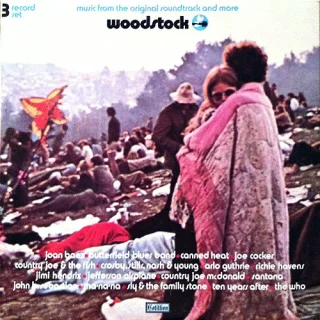 Woodstock - Music From The Original Soundtrack And MoreVarious, 1970On 2 sites
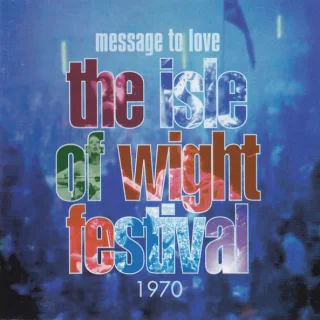 Message To Love ∙ The Isle Of Wight Festival 1970Various, 1995On 1 site
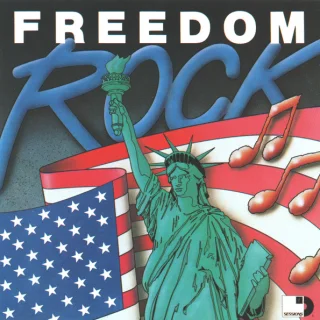 Freedom RockVarious, 1987On 1 site
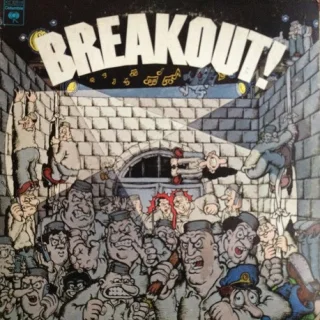 Breakout! Top 40 Hits Of TodayVarious, 1973On 1 site
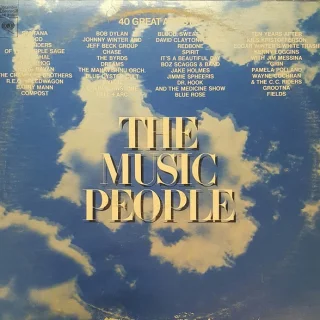 The Music PeopleVarious, 1972On 1 site
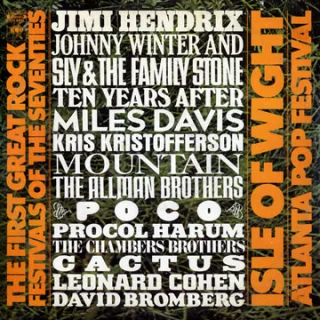 The First Great Rock Festivals Of The Seventies - Isle Of Wight / Atlanta Pop FestivalVarious, 1971On 1 site
Played with
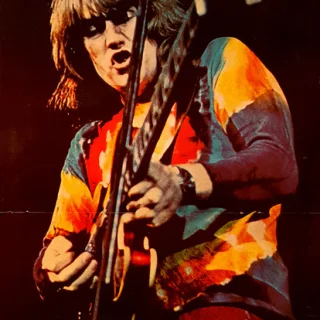 Alvin Lee
9 records together
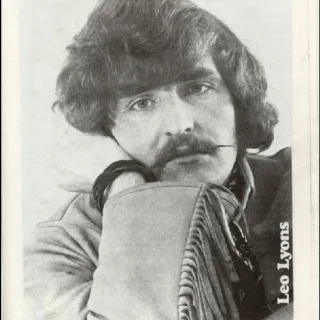 Leo Lyons
7 records together
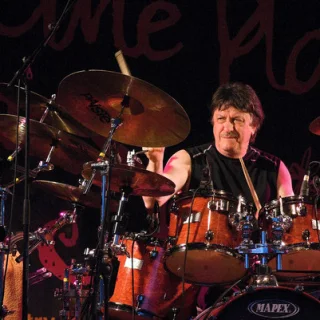 Ric Lee
7 records together
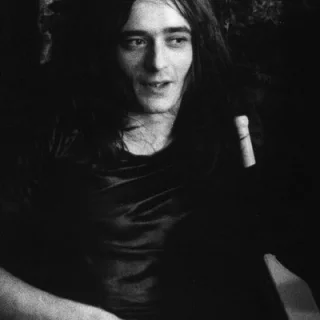 Chick Churchill
7 records together
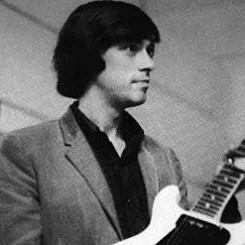 Mike Vernon
5 records together
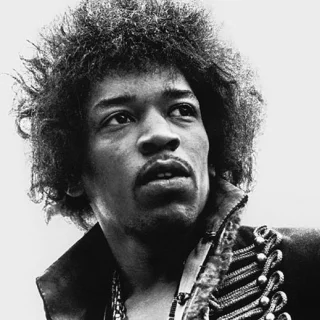 Jimi Hendrix
3 records together
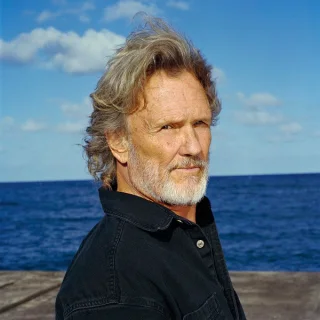 Kris Kristofferson
3 records together
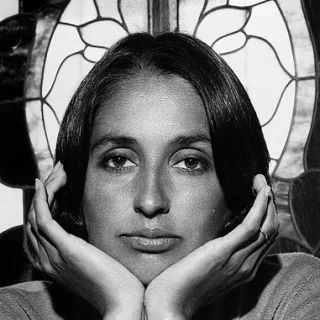 Joan Baez
3 records together
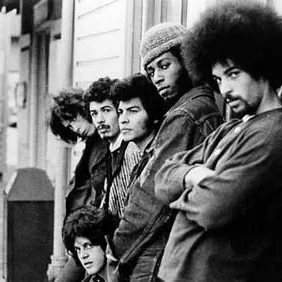 Santana
3 records together
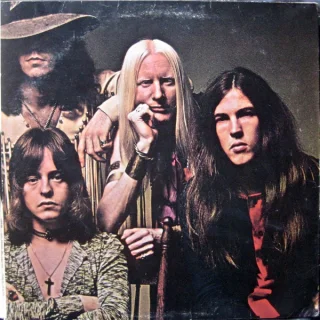 Johnny Winter And
2 records together
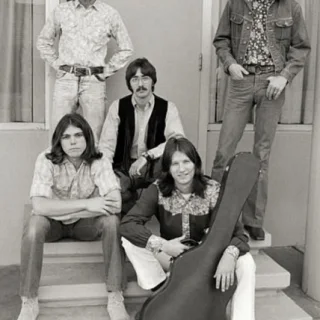 Poco
2 records together
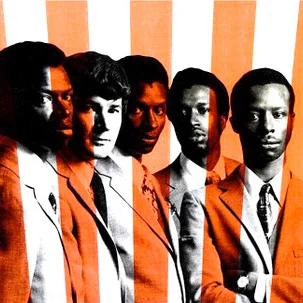 The Chambers Brothers
2 records together
About
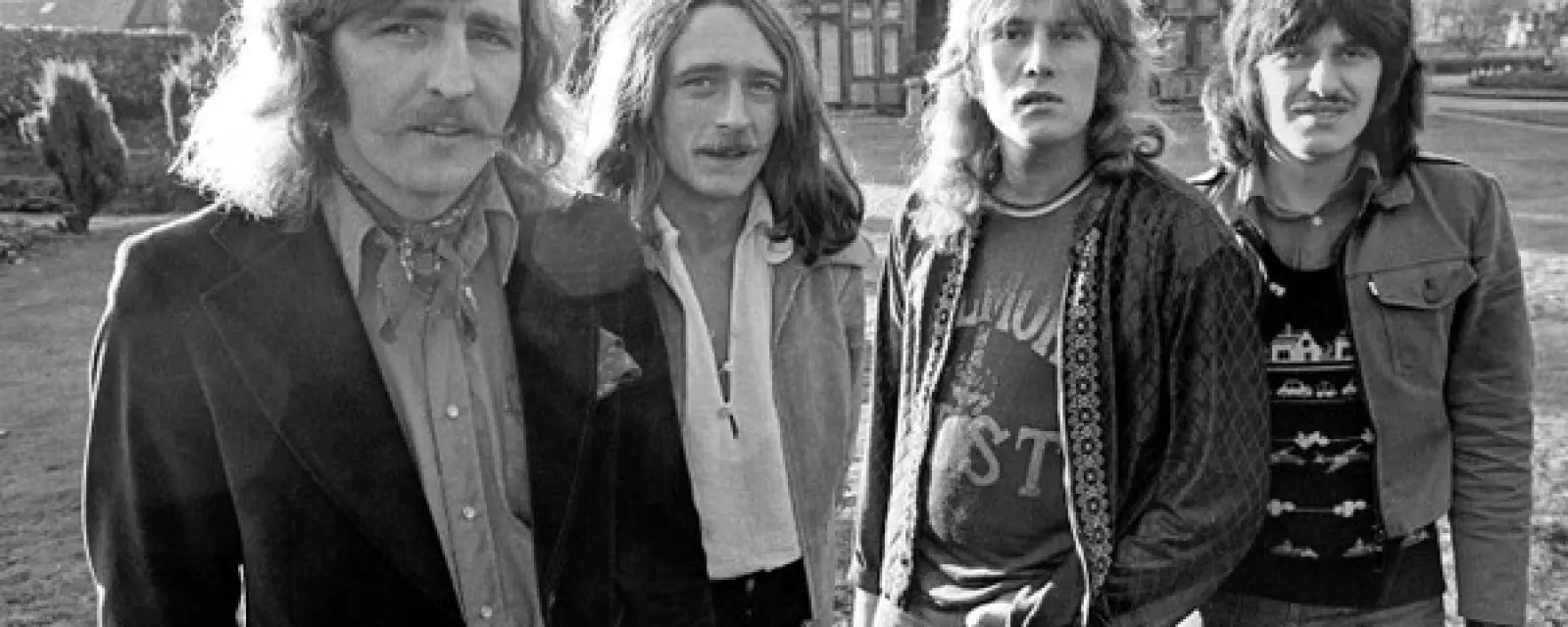
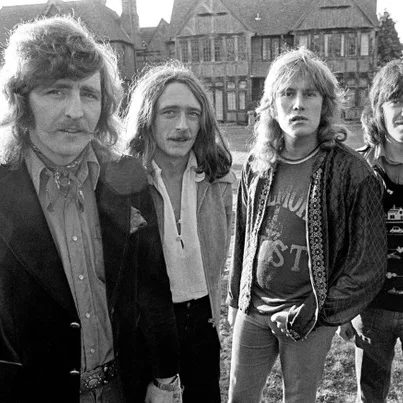
Ten Years After is a British blues and blues rock band that started out as The Jaybirds in the Nottingham area in 1962. Also known as Blues Yard, they signed with manager Chris Wright in November 1966 as Blues Trip, before deciding on Ten Years After, referring to the fact that it was ten years after Elvis Presley’s big break in 1956 (Elvis being one of guitar hero Alvin Lee‘s idols). Their self titled debut album was released the following year, and they had eight consecutive Top 40 hit albums in the UK. Their first split up came after 11 albums in 1974, but they reunited several times (1983, 1988 and 1999).
Their big break Going Home was originally released in 1968, but it was the live recording of said track that rounded off their classic performance at around 9:15PM at Woodstock on Sunday, Aug. 17, 1969 that hit the charts in 1971.