Band
The NPG Orchestra
Played on
Played with
 The Artist (Formerly Known As Prince)
3 records together
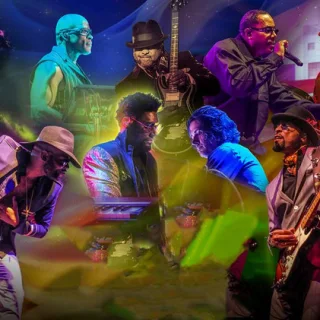 The New Power Generation
2 records together
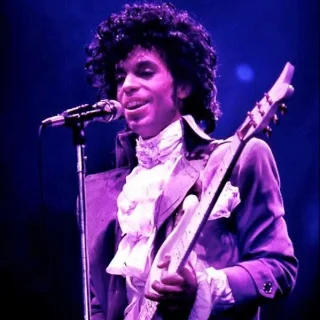 Prince
2 records together
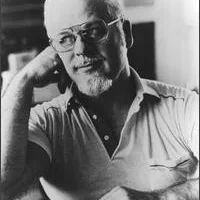 Clare Fischer
2 records together
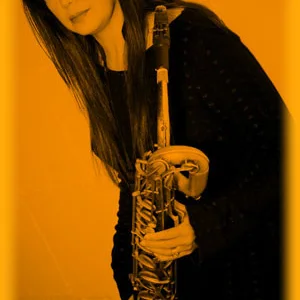 Kathy Jensen
2 records together
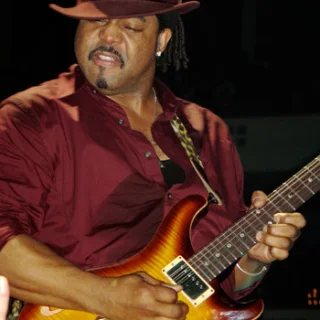 Mike Scott
2 records together
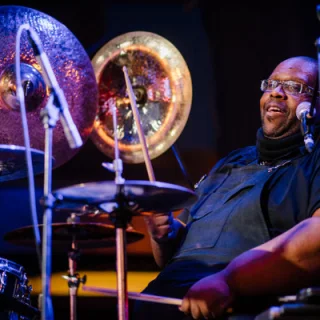 Michael Bland
2 records together
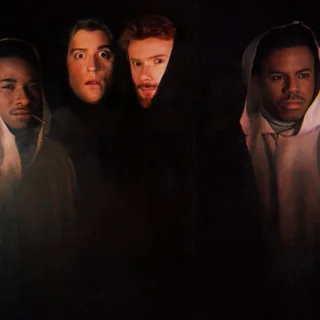 Madhouse
1 record together
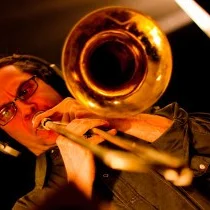 Michael Nelson
1 record together
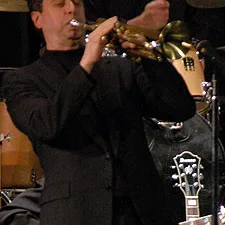 Dave Jensen
1 record together
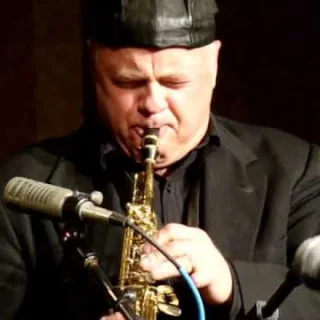 Ken Holmen
1 record together
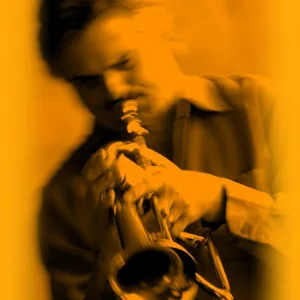 Steve Strand
1 record together
About
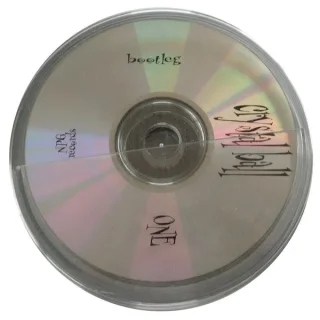
The NPG Orchestra was an instrumental ensemble established by Prince (active as an unpronounceable “Symbol”) in collaboration with composer and band leader Clare Fischer. The orchestra was responsible for Prince’s sole foray into classical music, ballet, released in limited circulation in 1997 by NPG Records. The artist began working on Kamasutra in March 1994 at Paisley Park Studios, writing eleven instrumental tracks, without vocals or voice samples, and recording most non-orchestral instruments; additional parts by Eric Leeds and The NPG Hornz were added in late July. Fischer’s orchestra tracked their parts remotely at in Hollywood, California. Prince had been frequently collaborating with Clare Fischer since the mid-1980s, starting on , and later hired to work on orchestral and string arrangements for several studio albums, from to and soundtrack, as well as solo projects by various Prince’s protegés on Paisley Park and NPG Records, including Jill Jones, Eric Leeds, and The Family band.
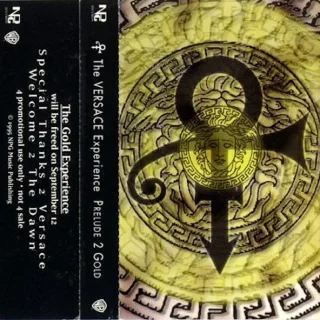
The first mention of “The NPG Orchestra” was on a tape released by NPG Records in January 1995 and featuring an excerpt from Kamasutra alongside selected tracks from The New Power Generation’s and the unreleased Madhouse album. The cassette’s inlay advertised a toll-free “1-800-NEW-FUNK” phoneline, promising all three albums will be soon available. In early July, Prince’s music played during Versace’s haute couture show in Paris with an exclusive “mixtape,” , handed out to selected participants. The cassette primarily featured samples from and another Kamasutra segue (subsequently becoming one of the most expensive and sought-after Prince rarities, only topped by The Black Album.) On 14 February 1996, Prince and Mayte García got married at Park Avenue United Methodist Church in Minneapolis, with Kamasutra playing at the private ceremony. In November of the same year, one of the tracks, “The Plan,” appeared in a slightly edited form on the album, with another mention of the upcoming “Kamasutra” in the liner notes.
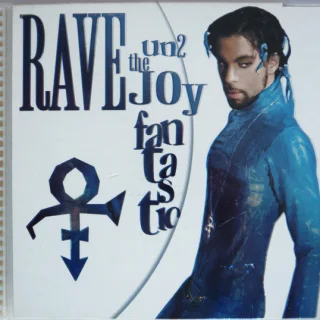
On 14 February 1997, commemorating Prince’s wedding anniversary, the cassette was released on NPG Records, available exclusively via 1-800-NEWFUNK direct phone orders. The album was presented as an “orchestral ballet interpretation of Prince and Mayte’s love story.” In January 1998, the CD version of “Kamasutra” was included with the initial direct orders of the 5xCD package. (It wasn’t available separately or with retail 4xCD editions.) The NPG Orchestra was also credited with two tracks on The New Power Generation’s third album, , in June 1998, and recorded strings for in November 1999 (and the “twin” Rave In2… album in April 2001).
In October 1997, a newly-established NPG Dance Company directed by Mayte debuted their Around The World In A Day show in Detroit, Michigan; the second act was performed to the Kamasutra ballet (it’s unclear whether the live orchestra played, or if the troupe danced to a pre-recorded score). They had a few more performances, with favorable reviews but relatively poor ticket sales. Despite the initial plans to continue touring in February 1998, the project was abandoned.
The NPG Orchestra members
O(+> — misc instruments, direction
Eric Leeds — tenor saxophone, baritone saxophone, flute
NPG Hornz:
Michael Nelson — trombone
Kathy J. — baritone saxophone
Brian Gallagher — tenor saxophone
Dave Jensen — trumpet
Steve Strand — trumpet
Clare Fischer Orchestra/Big Band:
Clare Fischer — arranger, conductor
Brent Fischer — bass, percussion (?)
Larry Bunker — drums, percussion
Tom Ranier — piano
Dennis Budimir — guitar
Gayle Levant — harp
1st Strings Section
Assa Drori, Isabelle Daskoff, Edward P. Greene, Harry Scorzo, Francine Walsh, Robert S. Lezin, Norma Leonard, Anita A. Thompson (?), Pam Gates, Russ Cantor, Bette Byers, Robert Sushel, Donald Palmer, Ross Shub, Pam Tompkins, Yvette Devereaux, Calabria McChesney, Marshall Daniel Thomason (?), Gladys Secunda — violin
Marilyn Baker, Harry Shirinian, Herschel Wise, Peter Hatch, Suzanna Giordano, Benjamin Simon, Jimbo Ross — viola
Frederick Seykora, Ray Kelley, Marie Fera, Douglas Davis, Judith Johnson, Cecilia Tsan — cello
Morton Klanfer, Jim Hughart — double bass
2nd Strings Section
Gerald Vinci, Mari Tsumura, Israel Baker, Yoko Matsuda, Murray Adler — violin
Jorge Moraga, Carole Mukogawa, Nancy Roth (?), Margot MacLaine — viola
Arni Egilsson — double bass
Anne Karam — cello
Brass
Morris Repass, Les Benedict (?), Alex Iles, Andy Martin — trombone
David Duke, Joe Meyer, Marni Johnson, Yvonne S. Moriarty — French horn
Richard “Blue” Mitchell — trumpet
Woodwinds
David Randall Stone, Lisa Edelstein, James R. Walker — flute
Jenice Rosen, Jon Clarke, John Mitchell, Bob Tricarico — woodwinds
Dan Higgins, Terry Harrington, Jack Nimitz (?), Bob Carr — saxophone
Don Shelton — clarinet, flute
Charles Boito — clarinet
Charles Coker — bassoon
John F. Reilly — oboe